
Latests News
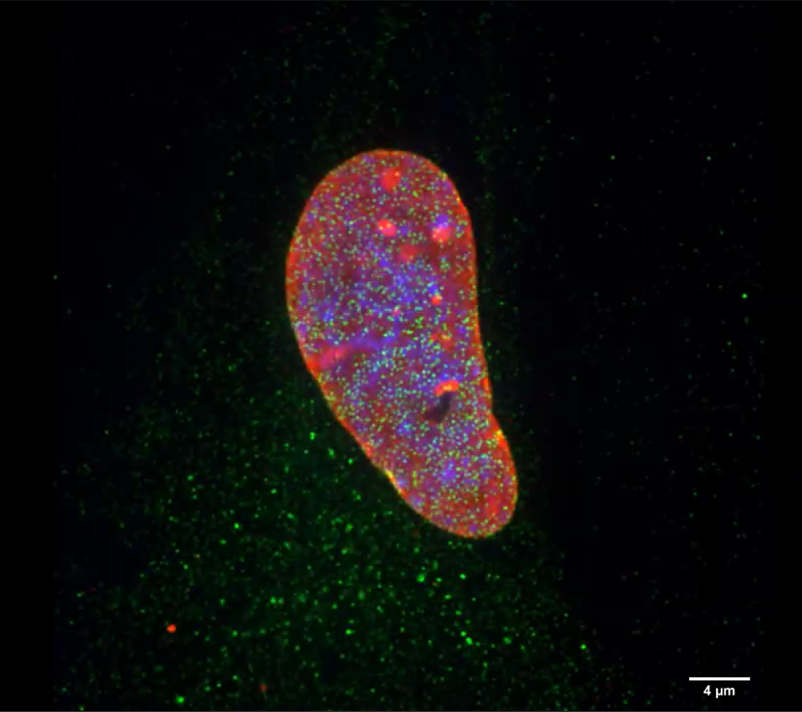
Beyond Genes: The Physical Environment in Breast Cancer
On the occasion of Breast Cancer Awareness Day, the researchers aim to raise awareness of a line of research that seeks to answer a fundamental question: what happens when cells detect that the tissue surrounding them is becoming stiffer?
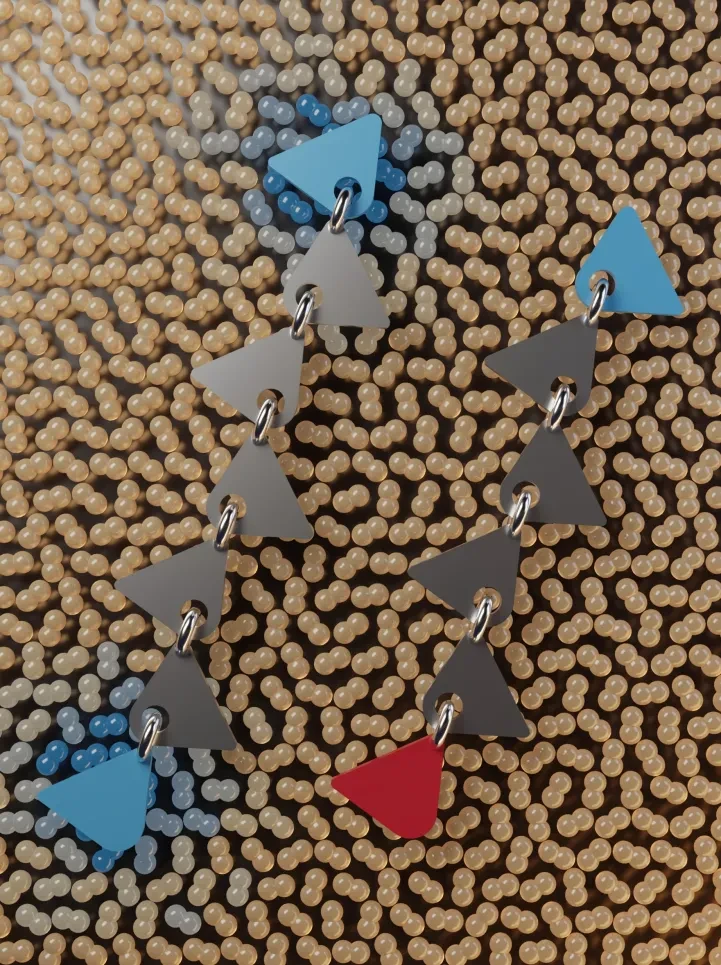
Even or odd numbers: a single molecule makes all the difference in the quantum world
CIC nanoGUNE, in collaboration with the University of Santiago de Compostela, have demonstrated that adding or removing a single molecule from a quantum chain can fundamentally change its interaction with a superconductor.
An international group of climate experts warns that the Earth is becoming increasingly unstable
A new international study published today in BioScience states that the Earth’s climate system is rapidly becoming unstable and that, although signs of major societal change are emerging, broader and faster action is needed.

Gipuzkoa se convierte en campo de pruebas para conseguir huevos KM0 de bajas emisiones
BC3, la cooperativa Euskaber y Eroski colaboran en KABI, un proyecto de innovación que busca reducir la huella de carbono de la producción avícola.
Aggregation and Glial Response Laboratory Receives International Parkinson’s Foundation Impact Award to Investigate New Therapeutic Approach for Parkinson’s Disease
Led by Dr. Bengoa-Vergniory, the team will study a population of brain cells known as oligodendrocyte progenitor cells (OPCs).
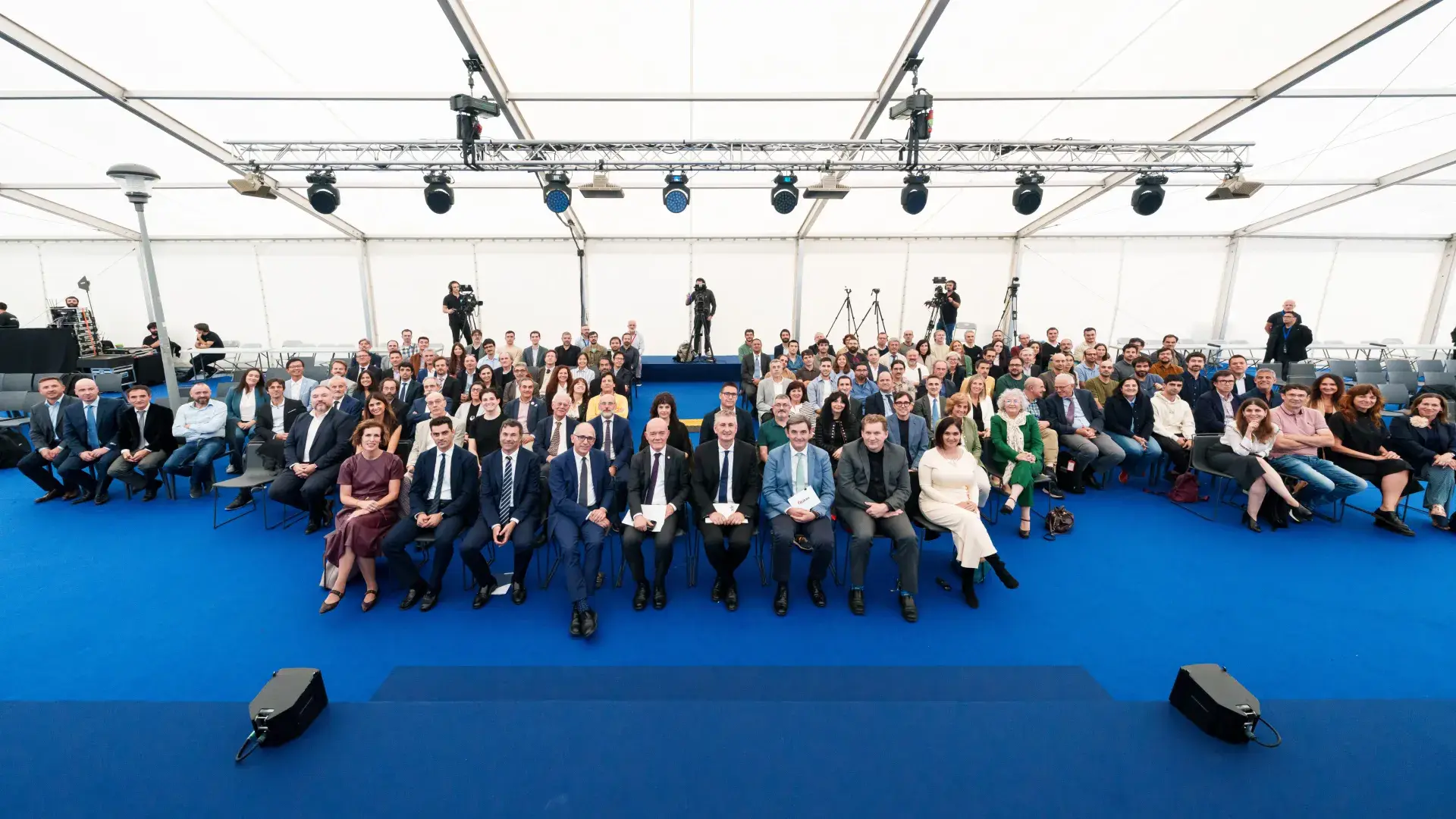
Euskadi's quantum computer marks its first year with 64 research projects and opens access to companies
Juan Ignacio Pérez Iglesias: "IBM Quantum System Two has recorded an average utilization of 50%, with peaks of 80%. It is used by 444 researchers and has opened its doors to the first eight companies."
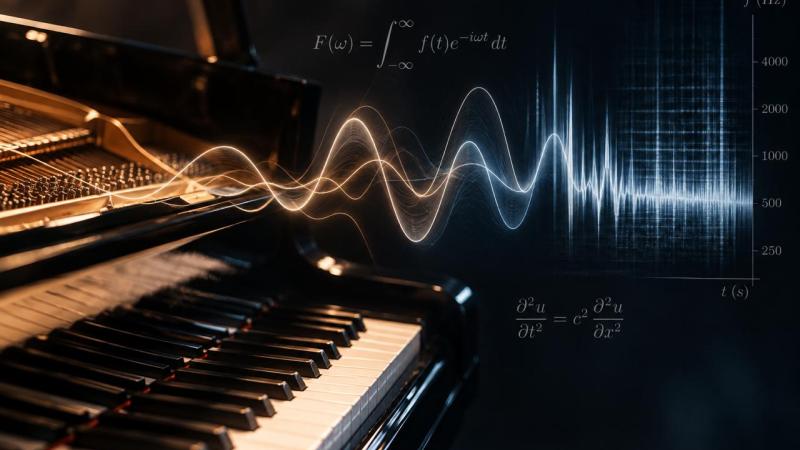
BCAM, EHU and ELHUYAR bring the science of sound to stages across the Basque Country
The Basque Government backs ‘The Science of Sound’, a project that brings together music, mathematics and artificial intelligence.
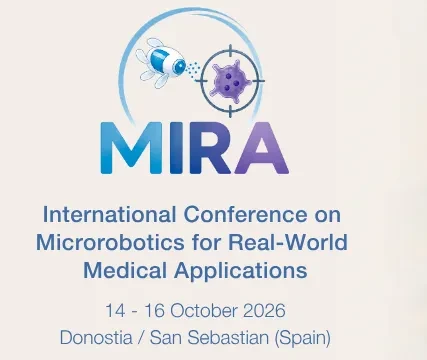
MIRA 2026, a window to medical microrobotics
The event, which brings together more than 80 professionals from the fields of research, clinical practice, engineering, and entrepreneurship from across the globe, was made possible thanks to the efforts of CIC nanoGUNE and the support of private sponsor

Las abejas del Parque de Doña Casilda: vecinas pacíficas que solo están de paso
El Parque de Doña Casilda de Bilbao cuenta desde hace unas semanas con un grupo de abejas como nuevas vecinas.
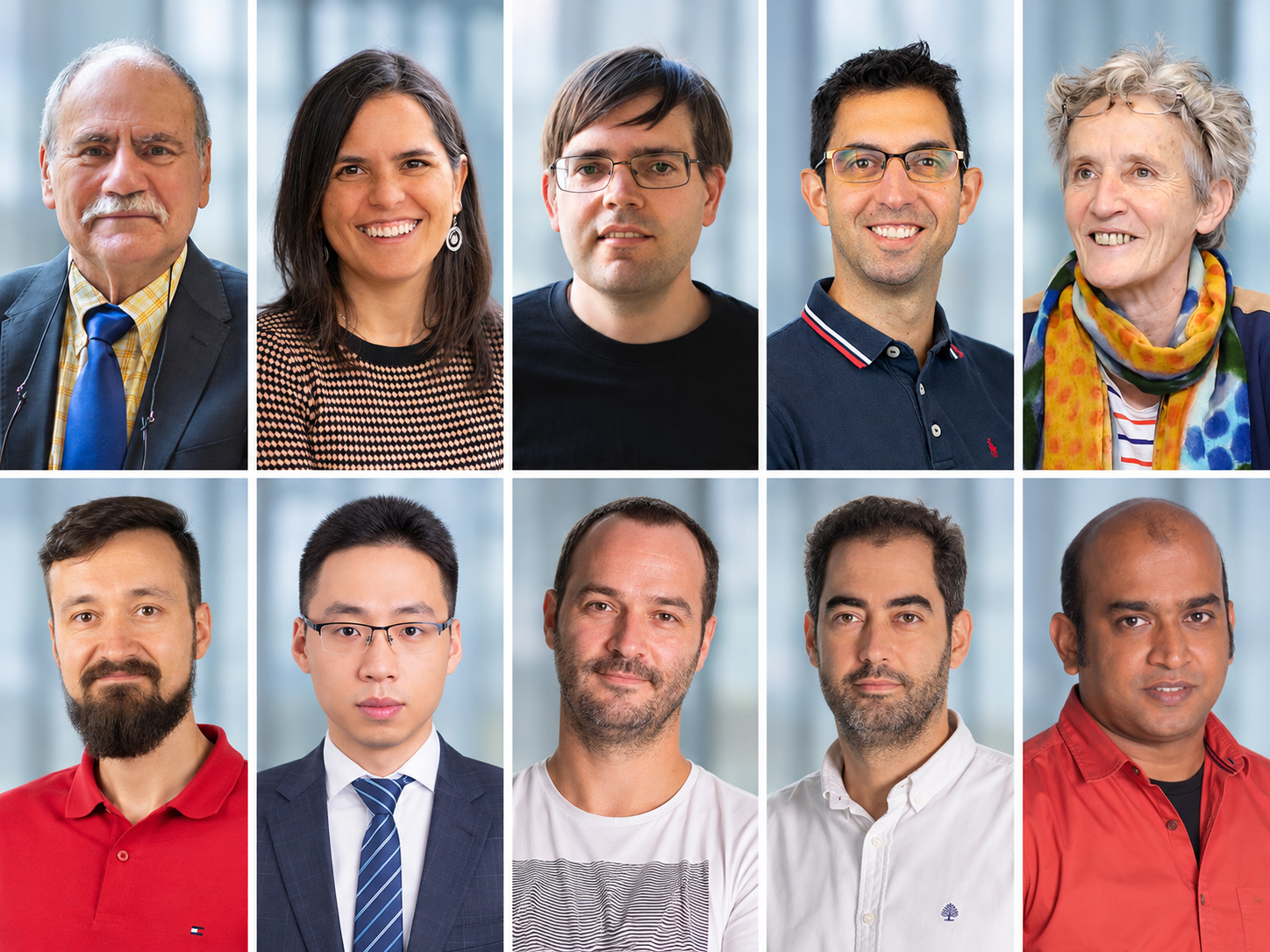
CIC energiGUNE places 10 scientists among the world’s most influential researchers in the Stanford/Elsevier ranking
Nine researchers from the centre stand out for their scientific impact in 2025 and five for their cumulative career-long impact, further strengthening CIC energiGUNE’s international position.

BC3 addresses the challenges of climate resilience in the EU from a scientific perspective alongside European representatives and the Basque Government
Teresa Ribera, Executive Vice-President of the European Commission, and Juan Ignacio Pérez Iglesias, Regional Minister for Science, Universities and Innovation of the Basque Government, have visited BC3.
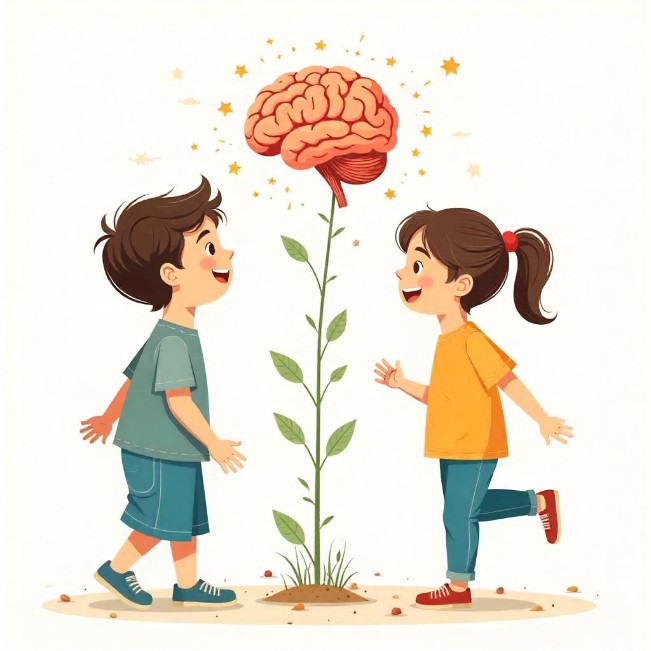
Lack of sleep in childhood affects cognitive development and the health of children
A research team led by Dr. Amanda Sierra, Ikerbasque Research Professor at ACHUCARRO, has developed new open-access, educational, and outreach material on sleep, chronotypes, and screen use in childhood and adolescence, available free of charge.
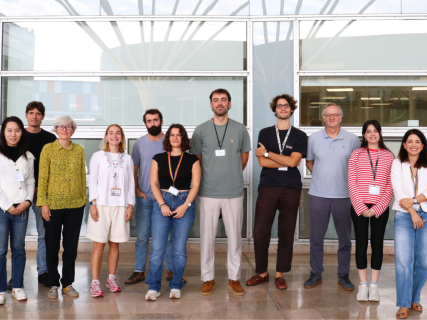
Welcoming the First Cohort of BREATH Postdoctoral Researchers
This week, we welcomed the first cohort of postdoctoral researchers joining CIC biomaGUNE through the 1st Call of BREATH programme, co-funded by the Marie Skłodowska-Curie Actions.
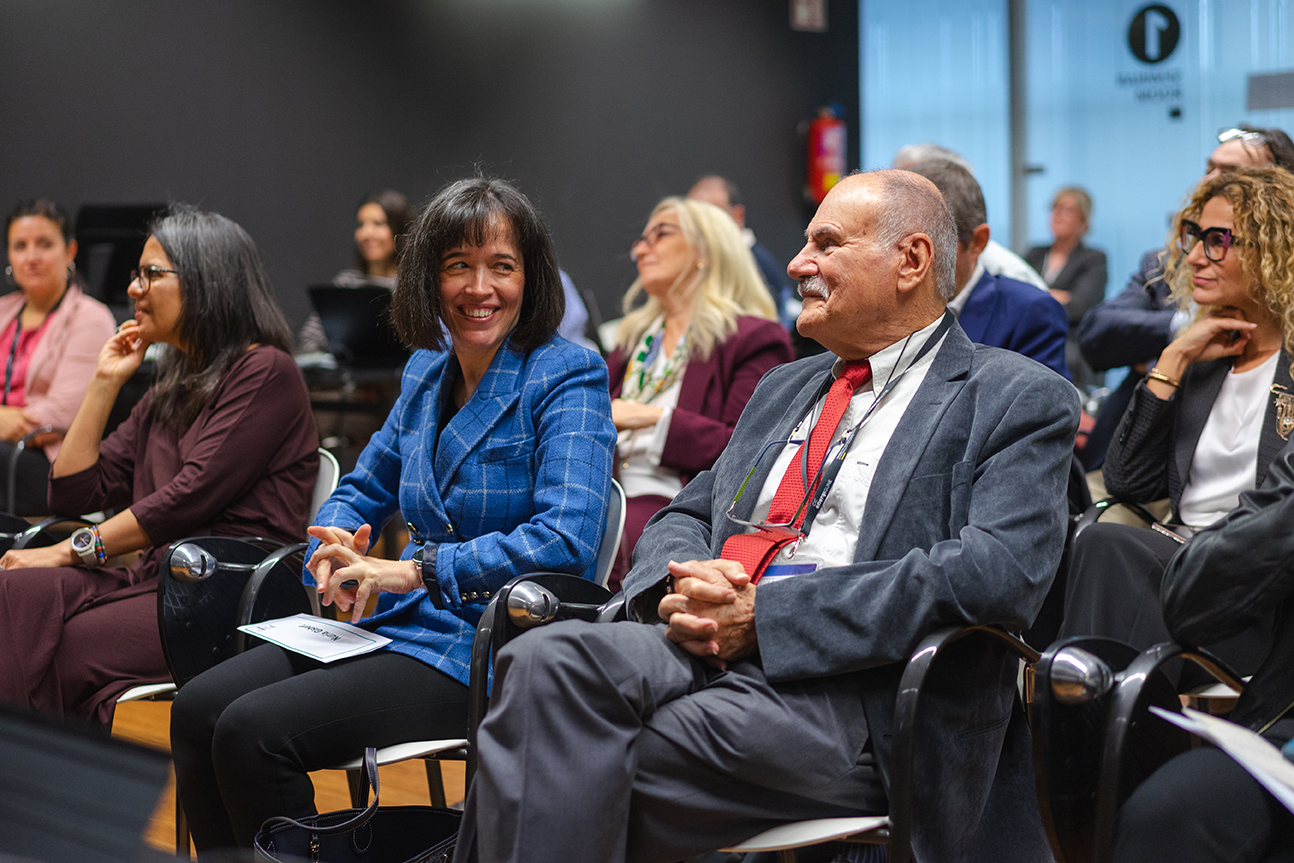
CIC energiGUNE brings together leading international battery scientists in Vitoria-Gasteiz to celebrate Michel Armand’s legacy -
“Shaping Electrochemical Energy Storage: The Michel Armand Scientific Journey” has brought together leading international scientists and institutional representatives in Vitoria-Gasteiz.
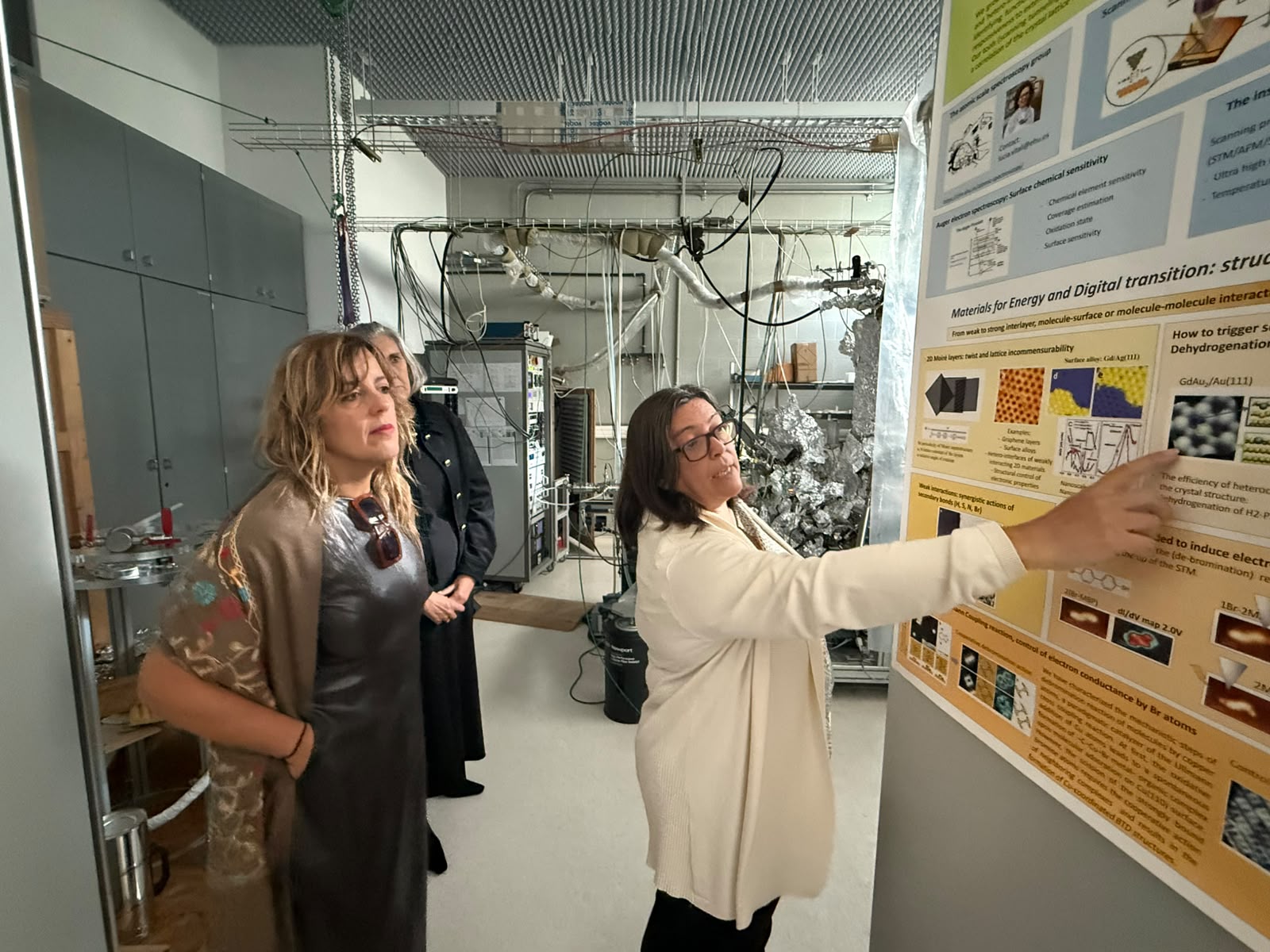
The Gipuzkoa Coopera initiative builds a scientific bridge between Latin American women researchers and the Materials Physics Center
The Provincial Deputy for Culture, Cooperation, Youth, and Sports, Goizane Álvarez visited the center and met with the research staff participating in two Gipuzkoa Coopera projects.
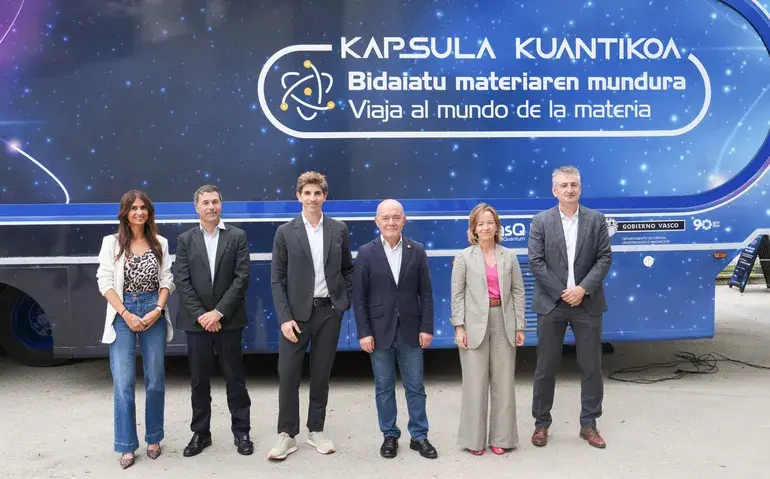
Kapsula Kuantikoa gets under way: the touring programme that will bring quantum science to 147 towns across Euskadi
The initiative of the Department of Science, Universities and Innovation will travel around Euskadi for nine months with an immersive, interactive proposal that is accessible to all audiences.

DIPC hosts the presentation of 'Pedro Miguel Etxenike. Científico vasco universal', written by Fermin Erbiti
The book explores Pedro Miguel Etxenike’s scientific and personal journey and includes the testimony of fourteen people close to him, completing the portrait of one of the most prominent figures in Basque science
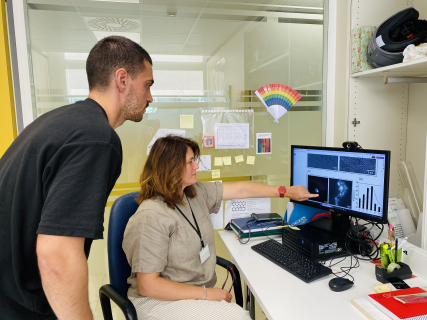
CIC biomaGUNE develops new nanomaterials for medical diagnostic imaging
Manganese-doped carbon nanodots show great potential as contrast agents for magnetic resonance imaging and could be the next generation of contrast agents.

The first chemical analysis of snow accumulated on the Godwin-Austen glacier shows pollution from human activity
The Karakoram mountain range is one of the most remote and difficult to study in High Mountain Asia, located in the center and southeast of the continent.
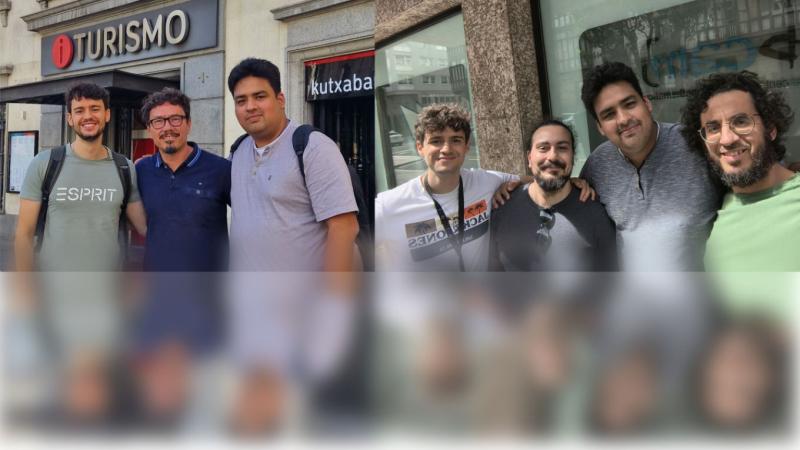
BCAM and Forschungszentrum Jülich study pedestrian movement in Bilbao's Old Town
How does awareness of a tourist environment affect people’s navigation?
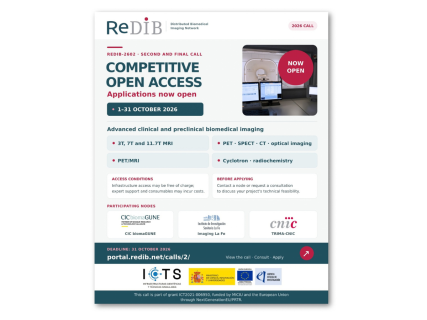
Second 2026 Call for Competitive Open Access to ReDIB’s Infrastructures
The call opens on October 1, 2026. Applications may be submitted through the ReDIB online portal until October 31, 2026.
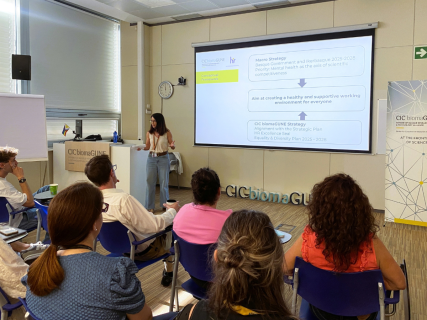
Psychological Well-being Plan 2026–2029
This week, we presented our Psychological Well-being Plan 2026–2029 to the whole CIC biomaGUNE community.
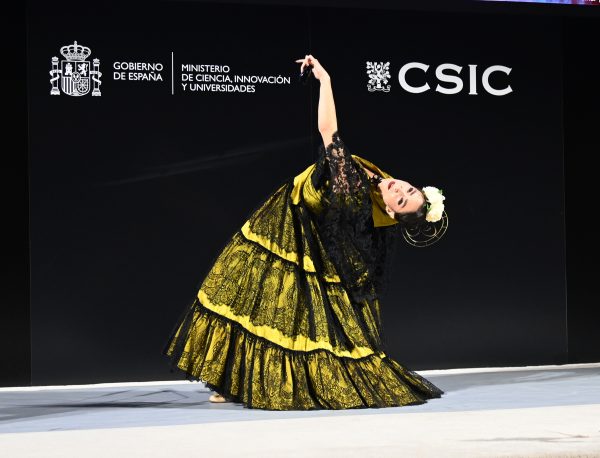
CFM researcher Gustavo Ariel Schwartz participates in the CSIC’s 1st Art and Science Biennial: ‘Experiences in dialogue’ – CFM – Materials Physics Center
A research center focused in materials science
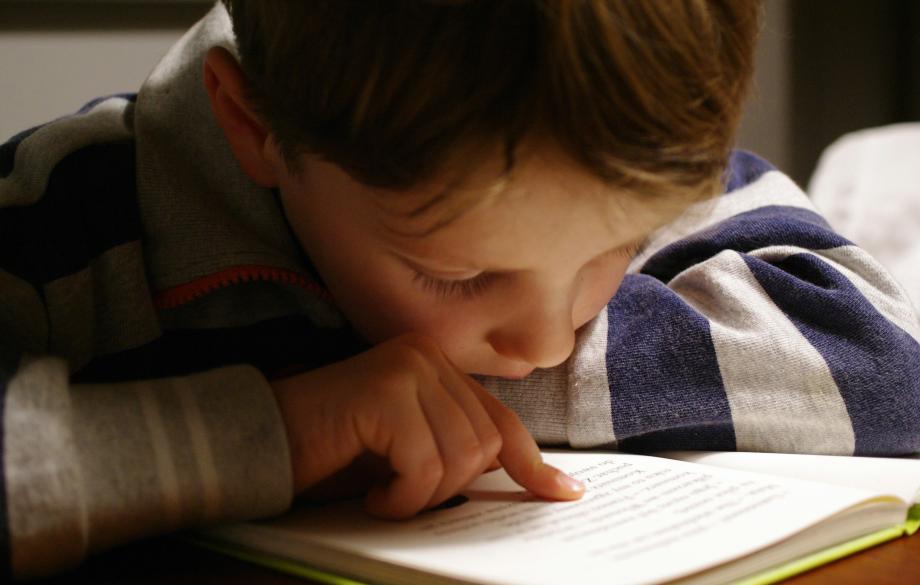
Donostia reúne a la élite mundial en el estudio de la dislexia y la lectura
El centro de investigación BCBL organizará del 7 al 9 de octubre en el Palacio Miramar la quinta edición del congreso internacional IWORDD.
|
IKERBASQUE. Basque Foundation for Science Tel.: +34 944 05 26 60 |
The website of science in EuskadiSubscribe to our newsletter and receive our news |